In Netflix’s latest original series “Squid Game”, 456 debt-ridden individuals risk their lives through a series of childhood games.
Warning: This review of “Squid Game” contains SPOILERS.
In Netflix’s latest original series “Squid Game”, 456 debt-ridden individuals risk their lives through a series of childhood games, with a fatal twist nonetheless.
Be the last man standing and the prize money totaling 45.6 billion won is all yours. The catch? A midway elimination and you lose everything. Including your life.
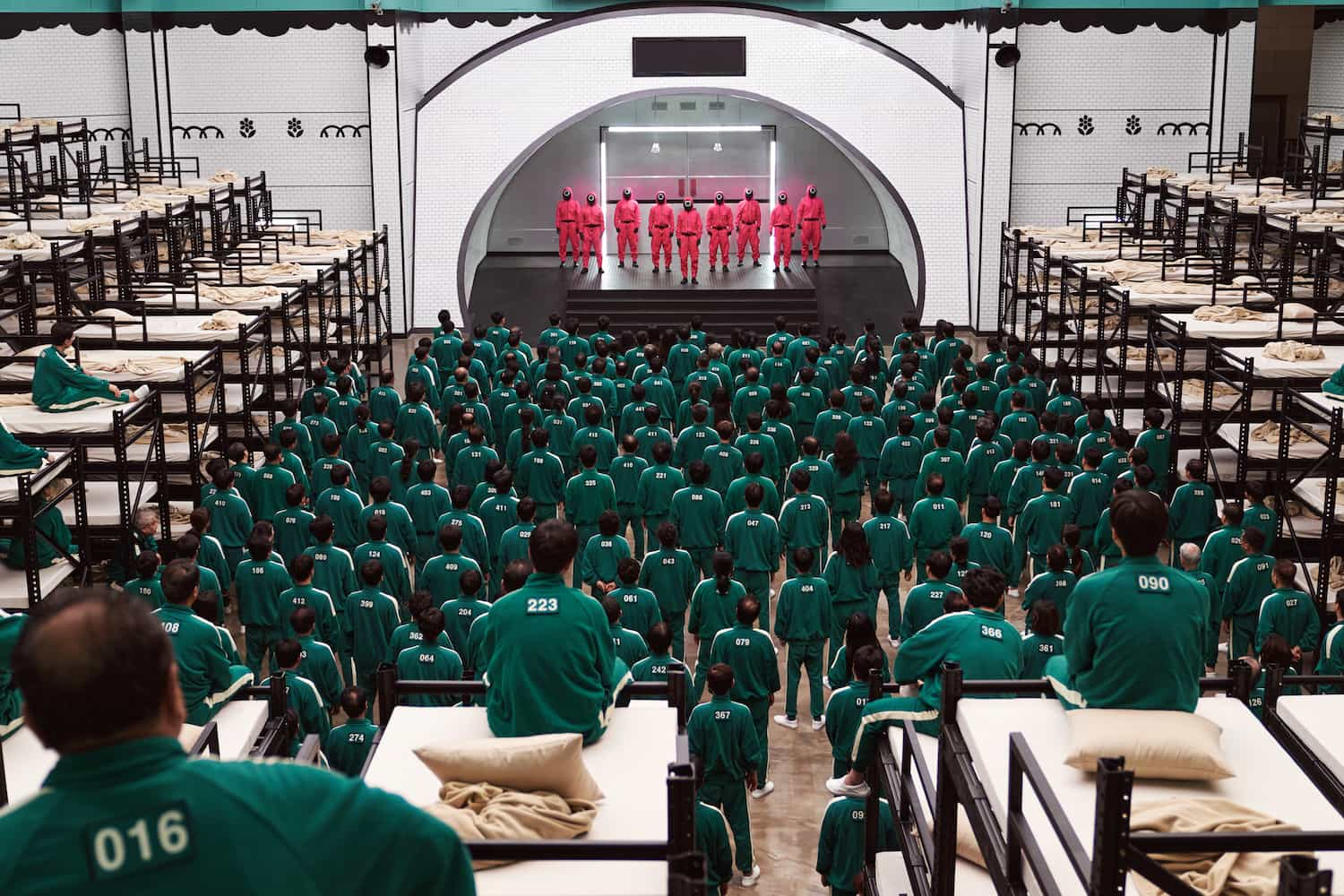
Directed by Hwang Dong-hyuk, the nine-part suspenseful series is “one giant allegory that expresses the capitalist society of contemporary times”. It opens with the introduction of player 456 Seong Gi-hun (Lee Jung-jae), a divorcee struggling with financial woes.
Pinning his hopes on a windfall, he actively bets on horse races. This, in itself, serves as a foreshadow for the series of gruesome events that follow. More on that later.
Right from the series’ release on 17 September, viewers have drawn parallels between “Squid Game” and other survival fiction series such as “Alice in Borderland” and “Battle Royale”. “Money Heist” also comes to mind as the game facilitators don coveralls and a mask.
While there are evident similarities in terms of the survival game genre, there is something that sets the former apart.
The intentional stark contrasts between the rosy and brutal side of the games is unnerving, to say the least. Seemingly innocent and unharmful childhood games like Red Light, Green Light and Tug of war were played in the series. But players were shot to death one after another should they fail to complete the games.
The use of childhood games in this money quest proved helpful for the series, propelling it to the second place of Netflix’s global charts. Not only did it serve its purpose of providing uncomfortable juxtaposition, it was also easy for viewers to understand the gameplay without much time wasted on explaining it in the series.
On the visual front, after every game, participants walk through a labyrinth of walkways plastered in pastel colours, akin to the Wes Anderson dreamlike aesthetic. Right after they witness fellow players get killed.

This then begs the question: what’s the cost that comes with their greed? Players risk the possibility of sacrificing themselves and the bonds they’ve forged with other players. But the real cost is much heftier as they get dehumanised and objectified throughout the game.
From having body parts sold to a mystery dealer, players being fed meagre food portions, to being incinerated by the game facilitators in what seems like a mechanical process. These players were merely treated like horses racing for the finishing line, similar to what viewers saw Gi-hun bet on earlier in the series.

The bloodthirsty game system, however, did its job to develop the viewers’ emotional connection with the various characters. Kang Sae-byeok (Jung Ho-yeon) and Abdul Ali (Anupam Tripathi) both garnered viewers’ interest because of their likeable characters.

While the plot does have its fair share of plot twists nearing the end — like how Gi-hun discovers that his first game pal Oh Il-nam (Oh Yeong-su) was the creator of the very game, the loose ends seem abrupt.
Without a doubt, the series does have its merits. It is built on a solid premise where participants play games on an uninhabited island with an institution in place with hierarchy. It also offers viewers some time for reflection and thought while the series paints a pessimistic outlook of what could have been if greed overcomes mankind.
But there were more opportunities for the plot to develop in the series’ capacity. For instance, viewers do not know how game facilitators were chosen. And Il-nam’s exact background, with only little information close to the end of the series.
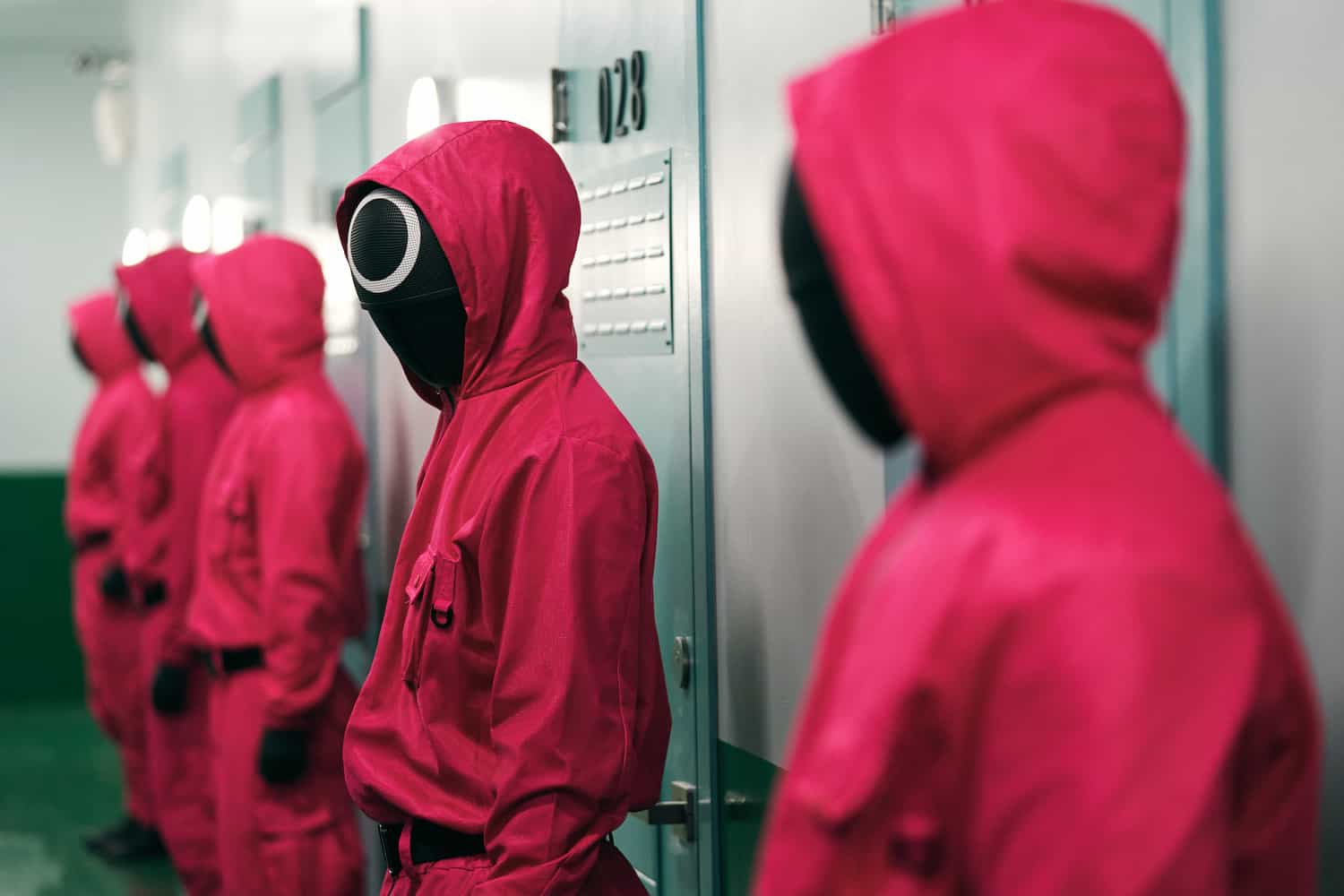
“Squid Game” does have a good balance of thrill coupled with visual appeal. After all, it was filmed in large sets and the use of computer graphics were kept to a minimum. If gore, death games and unnerving thrill sounds good, this one’s for you.
Watch Squid Game here and the trailer below: